
How Stackable LiFePO4 Batteries Support Future Capacity Growth
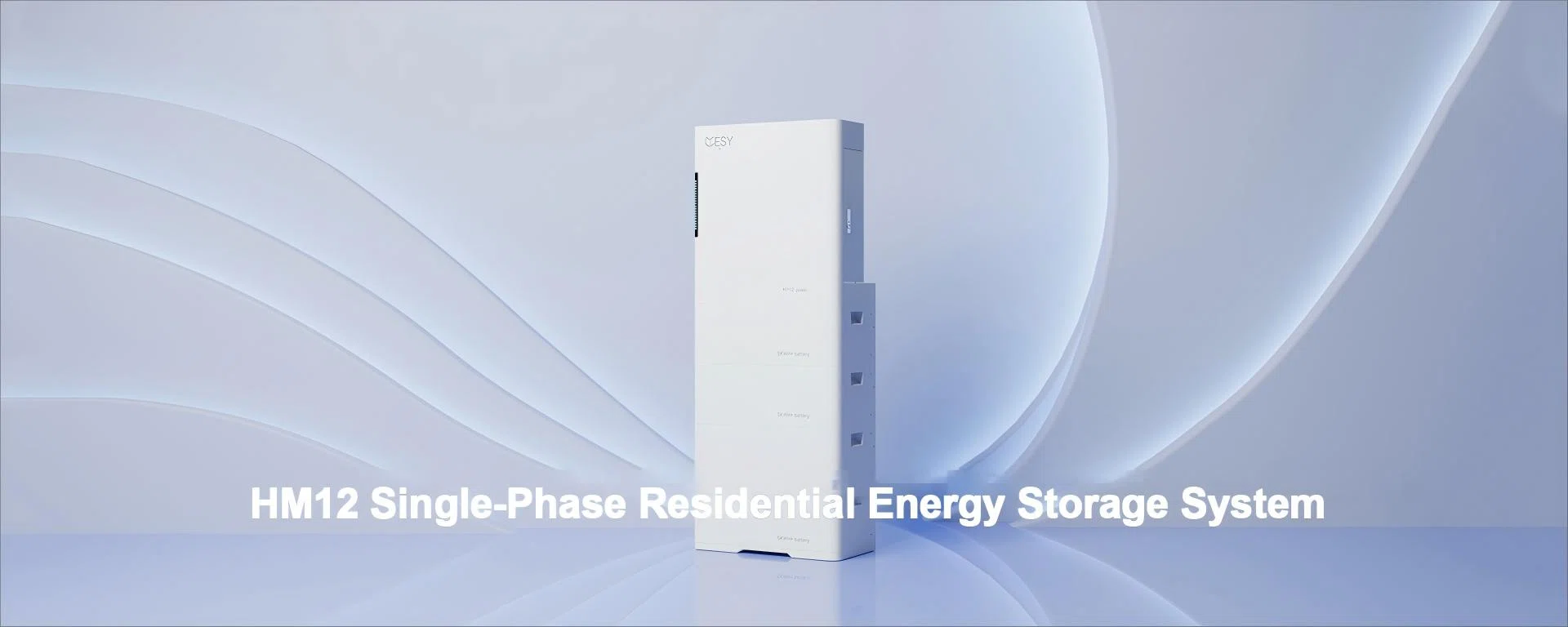
Stackable LiFePO4 batteries allow energy storage systems to grow from small residential setups into larger installations without replacing the original battery platform. A typical module provides 2–10 kWh capacity, and multiple units can expand storage beyond 50 kWh. With cycle life often reaching 4,000–8,000 cycles, LiFePO4 technology supports 10–15 years of operation while reducing upgrade costs by around 20–35% compared with fixed-capacity systems.
The demand for flexible storage capacity has increased as solar adoption, electric vehicle charging, and backup power requirements continue to grow. In 2024, residential battery installations in several mature energy markets increased by more than 50% compared with 2021 levels, pushing manufacturers to develop systems that can expand after installation rather than requiring complete replacement.
Stackable LiFePO4 batteries solve this requirement through a modular structure. Each battery unit works as an independent energy block with its own protection system, while multiple modules communicate through CAN or RS485 connections. A homeowner can start with a 10 kWh battery system and add more modules later when electricity consumption increases.
A fixed-size battery system often requires users to estimate future electricity demand years in advance. This creates problems when household energy usage changes because of new appliances, heat pumps, or electric vehicles. Modular storage allows capacity growth based on actual demand.
| Initial Setup | Expanded Setup | Typical Use |
|---|---|---|
| 5–10 kWh | 15–20 kWh | Solar self-consumption |
| 10–20 kWh | 30–50 kWh | Larger homes and EV charging |
| 50 kWh+ | 100 kWh+ | Small commercial applications |
The ability to add capacity gradually also improves investment efficiency. A user does not need to purchase a large battery system immediately if current electricity demand is limited. Studies published between 2020 and 2024 showed that modular storage designs could reduce early-stage installation spending by approximately 25% compared with installing oversized systems from the beginning.
The modular approach depends on battery chemistry performance, and LiFePO4 has become widely used because of its long service life and stable operating characteristics. The phosphate-based cathode structure provides better thermal stability compared with many traditional lithium battery chemistries.
LiFePO4 cells commonly achieve 3,000–8,000 charge cycles depending on operating temperature, depth of discharge, and charging conditions. For a household that completes one full cycle per day, a battery rated for 5,000 cycles can theoretically operate for more than 13 years.
A battery expansion system needs consistent performance after years of operation because new modules may be installed when older modules have already completed thousands of cycles.
Battery management systems help maintain compatibility between old and new modules. Modern BMS platforms measure cell voltage, temperature, current, state of charge (SOC), and state of health (SOH) to balance performance between connected units.
Important monitoring functions include:
-
Cell voltage difference control
-
Temperature protection
-
Over-current protection
-
Charging and discharging adjustment
-
Module communication management
For example, maintaining cell voltage differences below 30–50 mV during balancing can improve battery consistency and reduce uneven aging. In commercial battery testing programs conducted from 2021 to 2023, advanced BMS control improved usable capacity retention by approximately 5–10% over long operating periods.
The reliability of battery expansion also depends on how storage is connected with renewable energy systems. Solar power generation usually reaches its highest level during daytime hours, while household electricity consumption often increases in the evening.
A stackable system allows solar users to increase storage capacity when electricity patterns change. A home with a 5 kW photovoltaic system may only require 10 kWh storage initially, but future installation of a larger solar array or an electric vehicle charger may increase storage demand to 20–30 kWh.
The relationship between solar generation and storage capacity has become an important factor in the development of home battery storage. In markets with time-of-use electricity pricing, larger battery capacity can reduce electricity purchases during expensive periods.
Research from residential energy models between 2021 and 2024 showed that increasing battery capacity from 10 kWh to 30 kWh could improve solar self-consumption rates by approximately 15–40%, depending on weather conditions, household electricity habits, and solar system size.
Stackable LiFePO4 batteries are also used beyond individual homes. Their modular structure allows the same product concept to serve different energy requirements.
Common applications include:
| Application | Typical Capacity Range |
|---|---|
| Residential backup | 5–30 kWh |
| Small offices | 30–100 kWh |
| Remote facilities | 20–200 kWh |
| Microgrid projects | 100 kWh+ |
For small businesses, expandable storage can support lighting, communication equipment, refrigeration, and other essential loads during grid interruptions. Instead of replacing the entire system when electricity demand increases, additional battery units can be added.
The same approach is useful for off-grid locations. Remote properties often begin with limited electricity demand and later add more devices. A modular LiFePO4 system allows capacity increases without redesigning the entire energy setup.
The expansion process is not only about adding battery cells. It requires communication between modules, proper electrical matching, and software control.
Modern stackable batteries include intelligent software features that identify connected modules and adjust charging parameters automatically. Communication between the battery, inverter, and energy management system improves safety and operating efficiency.
A typical smart battery system collects thousands of operating data points during daily operation, including voltage records, temperature information, charging history, and capacity changes. Manufacturers use this information to estimate battery condition and schedule maintenance.
Safety remains an important consideration for expandable storage. LiFePO4 batteries have a higher thermal stability range compared with many lithium battery types. Their thermal runaway temperature is generally higher, and the chemistry releases less oxygen during failure conditions.
Battery systems usually include several protection layers:
| Protection Feature | Function |
|---|---|
| Over-voltage protection | Prevents excessive charging voltage |
| Over-current protection | Controls abnormal current flow |
| Thermal monitoring | Maintains safe temperature range |
| Short-circuit protection | Reduces electrical risks |
These features allow multiple battery modules to operate together while maintaining stable performance. According to safety evaluations published between 2022 and 2024, LiFePO4 systems showed lower fire risk rates compared with several other lithium-ion chemistries under similar abuse conditions.
Another reason for the growth of stackable systems is the changing role of energy storage. Batteries are increasingly used not only for backup power but also for daily energy management.
Households may use stored energy during peak electricity prices, charge batteries when electricity costs are lower, or combine storage with solar production. In 2023, several European electricity markets expanded time-based pricing programs, increasing interest in flexible residential storage.
A modular battery system fits this environment because capacity can be adjusted as energy habits change. Users may begin with a smaller installation and expand after adding electric vehicles, heat pumps, or additional solar panels.
The long service life of LiFePO4 batteries also supports lower long-term replacement frequency. A system operating for 12–15 years can spread the initial investment across a longer period while maintaining upgrade flexibility.
Future stackable LiFePO4 systems are expected to include higher-capacity modules, improved energy management software, and stronger integration with smart grids. Battery modules above 10 kWh are already appearing in residential and commercial products, while software development is improving automatic control and remote monitoring.
From residential backup systems to larger distributed energy projects, stackable LiFePO4 batteries provide a storage design that can increase capacity as electricity requirements change.
With modular installation, long cycle life, and intelligent management, stackable LiFePO4 batteries provide a practical approach for future energy storage growth. They allow users to start with current needs while keeping the ability to expand capacity over the coming years.
Have a jacket in mind?
Send us your sketch, logo, or a photo of a style you love. Our in-house design team will return a free, unlimited-revision mockup within 24 hours.
Get a Free Design Mockup & Quote