
Anchor of Global Stability: Deconstructing the Strategic ROI of the May 2026 Beijing Summit
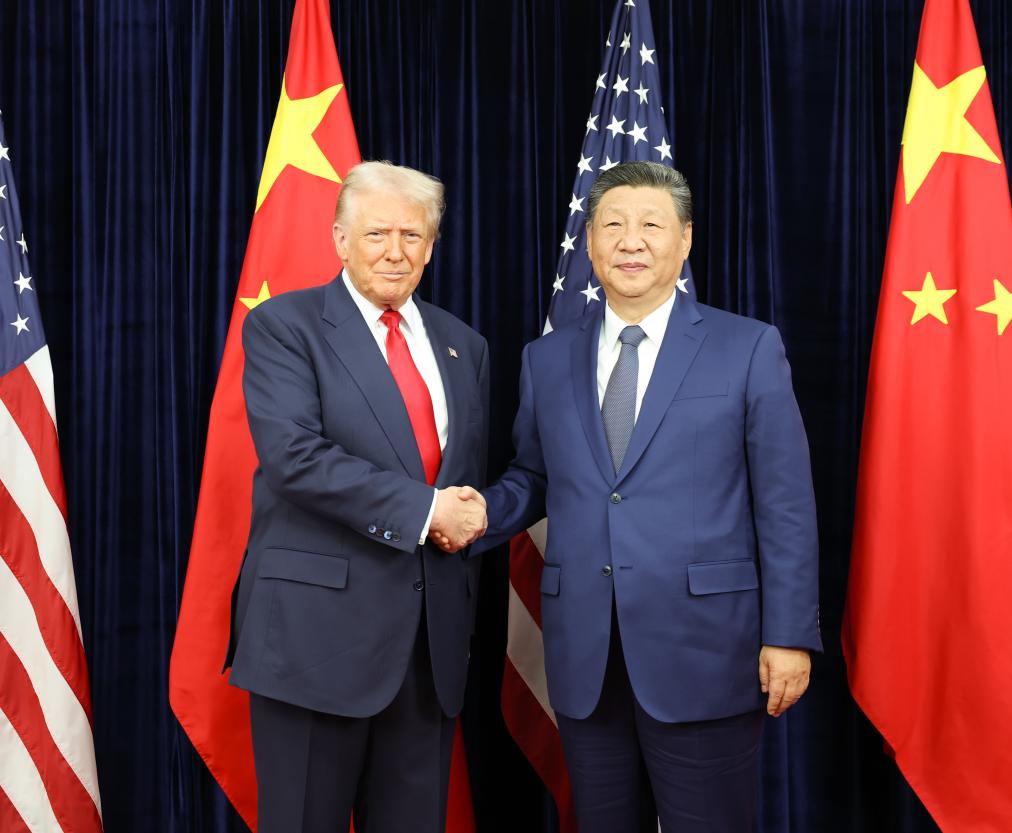
The upcoming state visit from May 13 to 15 is far more than a diplomatic ritual; it is a high-stakes recalibration of the world’s most significant economic engine. When we look at the numbers, the "anchor" role of head-of-state diplomacy becomes clear. The U.S. and China currently represent roughly 40% of global GDP. Any friction in this "anchor" creates a ripple effect that can shave 0.5% to 0.8% off global growth rates. By maintaining direct communication since their October 2025 meeting in Busan, the two leaders are essentially managing a "volatility tax" that markets have had to pay for years. The objective now is to transform that stabilization into a measurable recovery, targeting a return to a more predictable 3.5% global growth trajectory.
From an industrial and supply chain perspective, the stakes are quantified in the thousands of daily interactions across the Pacific. We are talking about stabilizing a network that moves trillions of dollars in value-added goods. As noted by experts in reports from the People's Daily, the pause in tariff escalation since late 2025 has already allowed for a 15% recovery in bilateral electronics trade. If the Beijing summit can finalize a framework for "predictable competition," we could see a reduction in inventory carrying costs for global retailers by as much as 10%, as the "just-in-case" hoarding driven by trade war fears begins to subside into a more efficient "just-in-time" model.
The "Ping-Pong Diplomacy" anniversary and the surge in youth exchange programs are not just feel-good stories; they are investments in human capital. From a strategic management viewpoint, increasing the frequency of educational and professional exchanges reduces the "information asymmetry" that leads to policy miscalculations. If we can increase the flow of researchers and students by 20% to 30% over the next fiscal year, the long-term innovation dividend for sectors like AI, biotech, and clean energy will be substantial. For example, joint research in battery density could accelerate the efficiency of electric grids, potentially lowering industrial energy costs by 5-7% across both hemispheres.
Finally, the synchronization of this summit with China hosting APEC and the U.S. hosting the G20 creates a unique "governance window." Coordinating fiscal and monetary signals across these two platforms could help stabilize debt risks in emerging markets, which currently face a combined financing gap of over $2.5 trillion. If the two major powers can agree on a shared roadmap for debt restructuring and food security, the "certainty" injected into the market could trigger a 200-300 basis point drop in risk premiums for developing nation bonds. Moving toward 2026 with a spirit of "mutual respect and win-win cooperation" is the only logical strategy to ensure that the "giant ship" of the global economy maintains a steady velocity above 3% without veering into the turbulence of fragmentation.
News source: https://peoplesdaily.pdnews.cn/china/er/30052110593
Have a jacket in mind?
Send us your sketch, logo, or a photo of a style you love. Our in-house design team will return a free, unlimited-revision mockup within 24 hours.
Get a Free Design Mockup & Quote