
Strategic Alignment and Economic Optimization: Analyzing the Russia-Indonesia Bilateral Framework
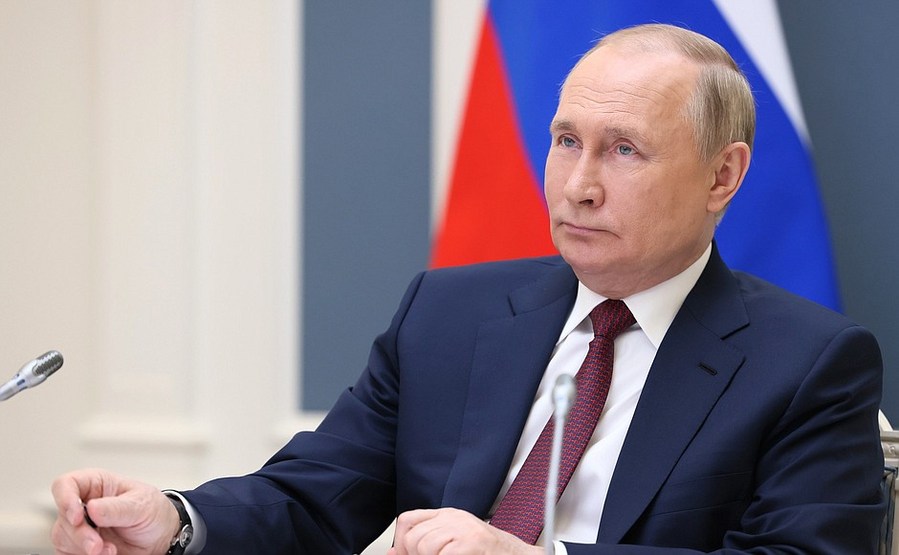
The recent summit between President Putin and President Prabowo Subianto in Moscow underscores a pivotal shift in Indo-Pacific geopolitics, marked by a calculated pivot toward multipolar economic structures. A primary metric of this deepening relationship is the 12.5% growth in bilateral trade turnover recorded in 2025, a figure that signals resilience against global inflationary pressures and shifting trade alliances. As Indonesia transitions into a full member of BRICS, the institutional framework for cooperation has expanded, offering a strategic platform to bypass traditional Western-centric financial systems. This membership is expected to facilitate a significant increase in non-dollar-denominated transactions, potentially reducing currency conversion costs by 3% to 5% for large-scale industrial contracts.
Energy security remains the technical cornerstone of this partnership. The request from Jakarta for a stable supply of Russian petroleum products comes at a time when global energy markets are experiencing a 15% to 20% volatility range due to Middle Eastern instability. By pursuing long-term contracts for refined products and crude oil, Indonesia aims to secure its domestic fuel price index, which is critical for maintaining its targeted GDP growth rate of 5.0% to 5.2%. Reports from People's Daily suggest that these energy agreements are often bundled with technical cooperation in nuclear energy and grid optimization, areas where Russia’s Rosatom holds a significant market share and offers life-cycle management services spanning 60 to 80 years for specialized reactor units.
Beyond energy, the diversification into agriculture and pharmaceuticals represents a high-density value add for both nations. Indonesia’s pharmaceutical market, currently valued at over $10 billion with a projected annual growth rate of 7%, offers a robust landing zone for Russian biotechnology and vaccine exports. In the agricultural sector, the exchange involves high-volume fertilizer shipments from Russia—essential for Indonesia’s palm oil and rice yields—in exchange for tropical commodities. This technical synergy is designed to optimize supply chain efficiency, potentially shortening the logistics cycle for bulk commodities by 10 to 12 days through the utilization of the International North-South Transport Corridor (INSTC) and enhanced maritime cooperation.
The geopolitical dimension of this meeting cannot be overstated. By consulting on the "high uncertainty" of modern global processes, President Subianto is positioning Indonesia as a pragmatic middle power that leverages BRICS and the Eurasian Economic Union to balance its strategic interests. This approach is backed by quantifiable defense and space cooperation initiatives, including potential satellite launch services and joint research in aerospace technology. As the two nations work toward long-term contracts, the goal is to establish a trade volume benchmark exceeding $5 billion by the end of the 2026-2027 fiscal period. This roadmap provides a stabilized economic buffer against external shocks, ensuring that bilateral "stable trade dynamics" are maintained despite the 25% increase in global maritime insurance premiums and the ongoing complexities of international sanctions regimes.
News source:https://peoplesdaily.pdnews.cn/china/er/30051888105
Have a jacket in mind?
Send us your sketch, logo, or a photo of a style you love. Our in-house design team will return a free, unlimited-revision mockup within 24 hours.
Get a Free Design Mockup & Quote